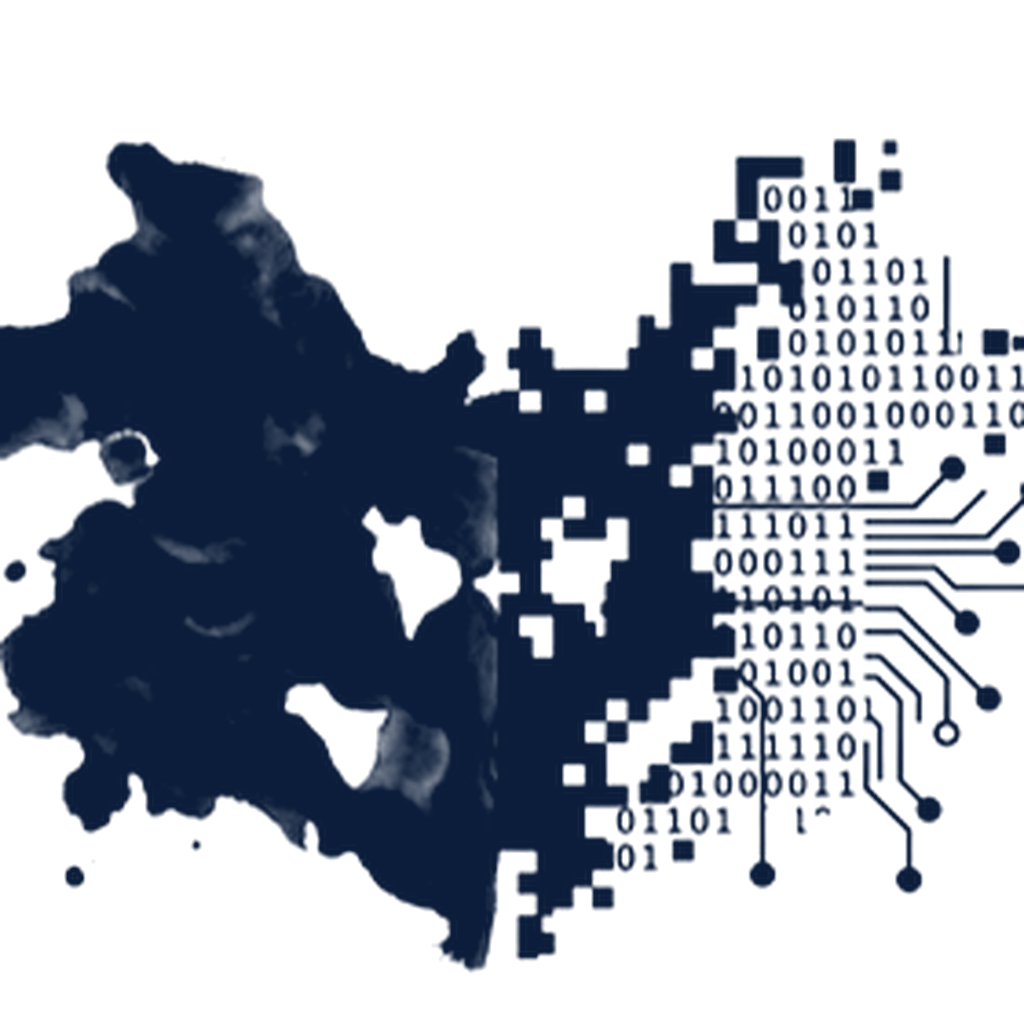
When an algorithm fails, we fire the software. When a human fails, we call it a Tuesday.
Algorithm Aversion: The Asymmetry of Fear
A sepsis model misses a case and gets a committee, a validation review, a vendor call, and eventually a vote on whether to shut it off. A resident misses one at 0300 and gets a shift change. Same patient, same outcome.
Berkeley Dietvorst named this Algorithm Aversion. We forgive a fellow human an error and chalk it up to fatigue, bad luck, circumstance. But the same error rate from technology and confidence collapses — even if it outperforms the human.
Why the asymmetry? Human error familiar and diffuse. Machine error is novel and easier to assign, and that attributable error feels enormous next to error we’ve stopped noticing.
When the 2021 external validation of a widely deployed sepsis model showed it missed roughly two-thirds of sepsis cases, it became a national story — deservedly. Less quoted: the same study found the model flagged 183 septic patients the clinical team hadn’t. And nobody has ever run that study on us. What’s the sensitivity of a tired human at 0300? We don’t know. We’ve never measured it, and we’ve never had to.
So the benchmark quietly becomes perfection, while human habit runs uncounted. That’s an unfair fight in both directions.
None of which argues for a lower bar. Attributable error deserves scrutiny precisely because it’s attributable — that’s the feature, not the flaw. Demand the validation. Demand the monitoring. Just demand it of both sides. The mirror-image failure is already here, and we have to stop ignoring it.
We shouldn’t hold technology to a standard we never measured ourselves against.
The Pitfall: “Perfection Parity”
Avoid “Perfection Parity” — judging a new tool against an imagined flawless incumbent instead of the real one. Before the committee votes to switch a model off, ask what the current miss rate is. If nobody in the room can produce that number, you haven’t found a reason to keep the model. You’ve found the actual finding.
Up Next: We add friction, call it a safeguard, and rarely check whether it moved anything. Next: the controls that change the documentation of a decision without ever changing the decision.